Zubní protéza: co je, kdy ji potřebujete a jak se na ni připravit
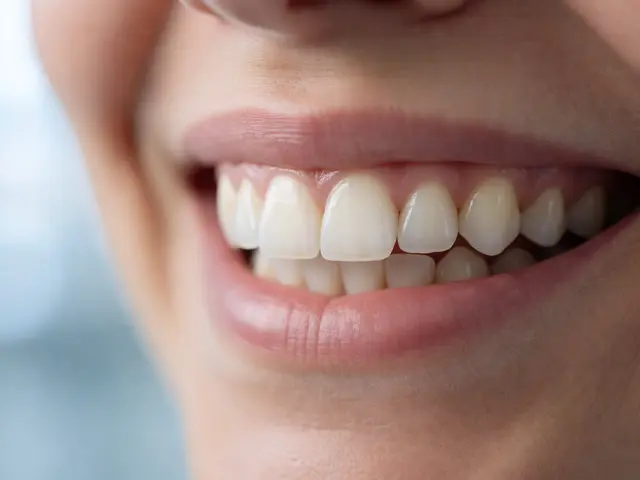
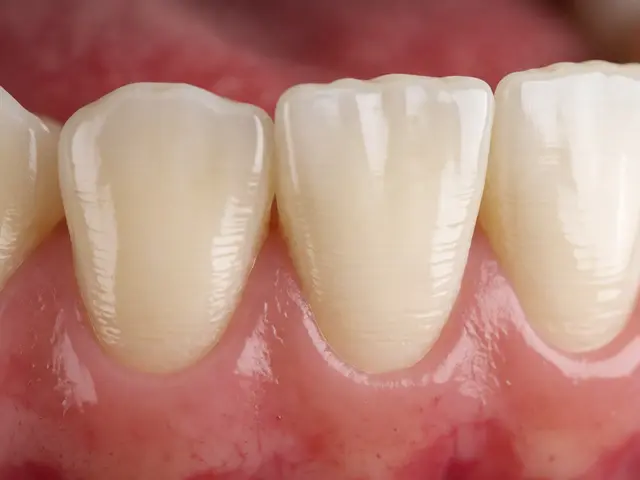
When you lose one or more teeth, your mouth doesn’t just change visually—it starts to struggle. zubní protéza, náhrada chybějících zubů, která obnovuje funkci i estetiku. Also known as zubní náhrada, it’s not just about looking better—it’s about chewing, speaking, and even keeping your jawbone from shrinking over time. Many people think prostheses are only for seniors, but that’s not true. People of all ages need them after accidents, advanced decay, or gum disease. A well-fitted prosthesis lets you eat your favorite foods again, smile without hiding your mouth, and prevents other teeth from shifting out of place.
celková protéza, náhrada všech zubů v jedné čelisti is used when all natural teeth are gone. It’s held in place by suction and sometimes adhesive. On the other hand, částečná protéza, náhrada několika chybějících zubů, která se připevňuje k zbylým zubům is anchored with metal clasps or precision attachments. Both types have improved dramatically—modern materials are lighter, more natural-looking, and less likely to irritate gums. You don’t have to settle for uncomfortable, clicking dentures. Today’s options include flexible acrylics, hybrid designs, and even prostheses that snap onto implants for maximum stability.
Many wonder if implants are better than prostheses. They’re not always alternatives—they can work together. zubní implantát, kovový šroub, který se operativně zasazuje do čelisti a slouží jako kořen pro náhradu can support a fixed bridge or even anchor a removable prosthesis so it doesn’t move when you talk or eat. Implants cost more upfront, but they last decades and protect your jawbone. Prostheses are often the first step when bone loss is too advanced for implants, or when budget is tight. The key is not to delay treatment. The longer you wait, the more bone you lose—and the harder and more expensive it becomes to fix later.
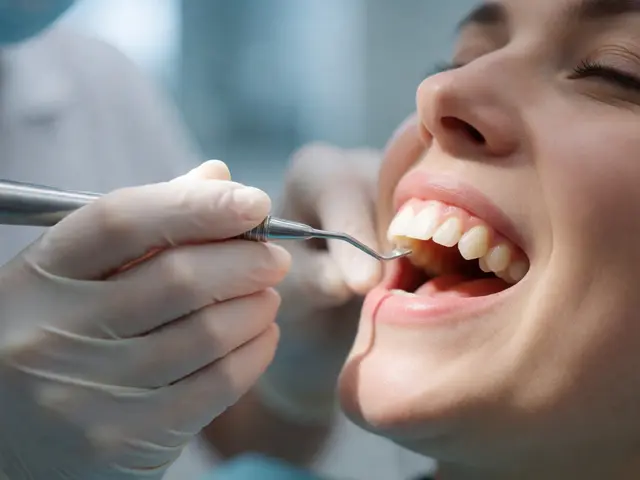
What most people don’t realize is that getting a prosthesis isn’t a one-time visit. It takes time to adjust. Your mouth needs weeks to get used to the new shape. You might speak differently at first. Saliva might increase. That’s normal. Your dentist will make adjustments—sometimes multiple times—to make it fit right. Don’t give up after the first week. Keep wearing it, even if it feels strange. And remember: cleaning it daily is just as important as cleaning your natural teeth. Use a soft brush and special cleaner. Never drop it—it’s not indestructible.
Below you’ll find real stories and practical advice from people who’ve been there. We cover how to choose between partial and full prostheses, what to expect during the fitting process, how to handle discomfort, and why some people regret waiting too long. You’ll also learn what insurance might cover, how to spot a poorly made prosthesis, and why skipping regular check-ups after getting one can cost you more in the long run. This isn’t just theory—it’s what actually matters when your smile is on the line.

Nasazovací zuby: Před a po - co se změní ve vašem životě
Nasazovací zuby změní vaši kvalitu života - nejen vzhledem, ale i v jídle, mluvě a sebevědomí. Před a po: co se skutečně stane, když je máte.
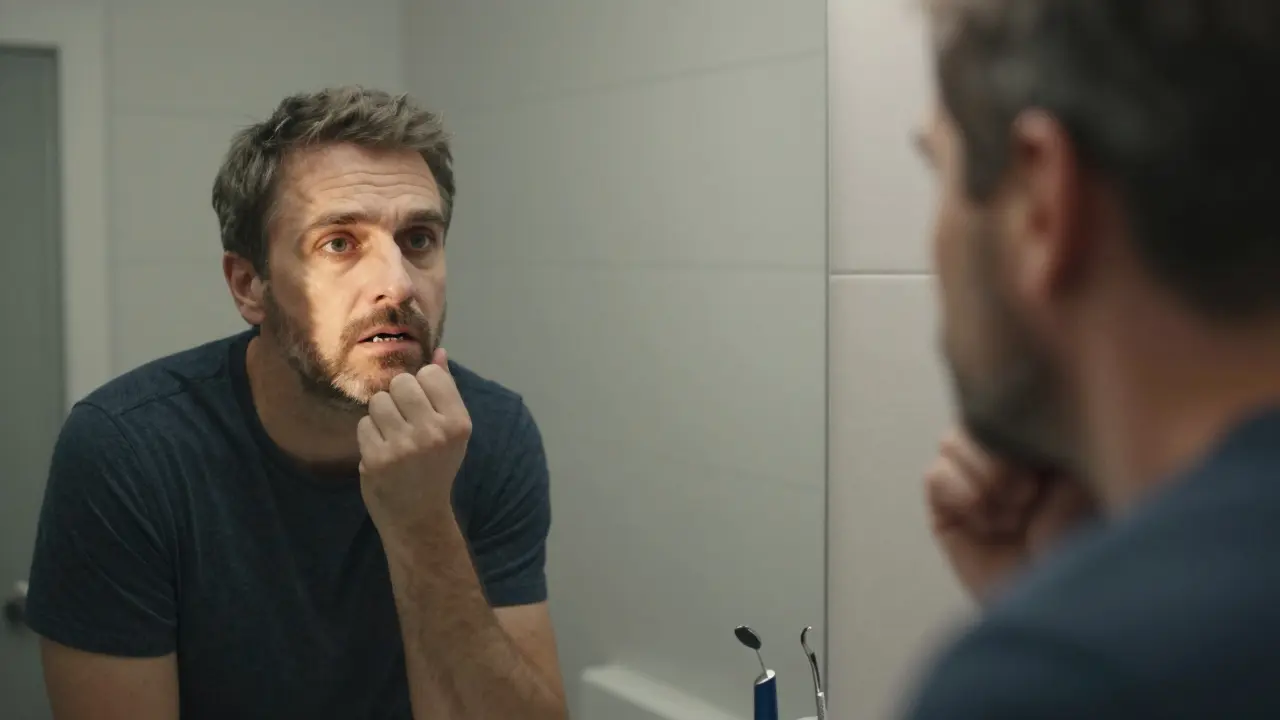
Rekonstrukce chrupu: Jak překonat strach z zákroku
Rekonstrukce chrupu není strašidlo - je to moderní, bezbolestná a dostupná možnost, jak vrátit funkci a úsměv. Zjistěte, jak překonat strach, co vás čeká a jaké jsou možnosti v Česku dnes.
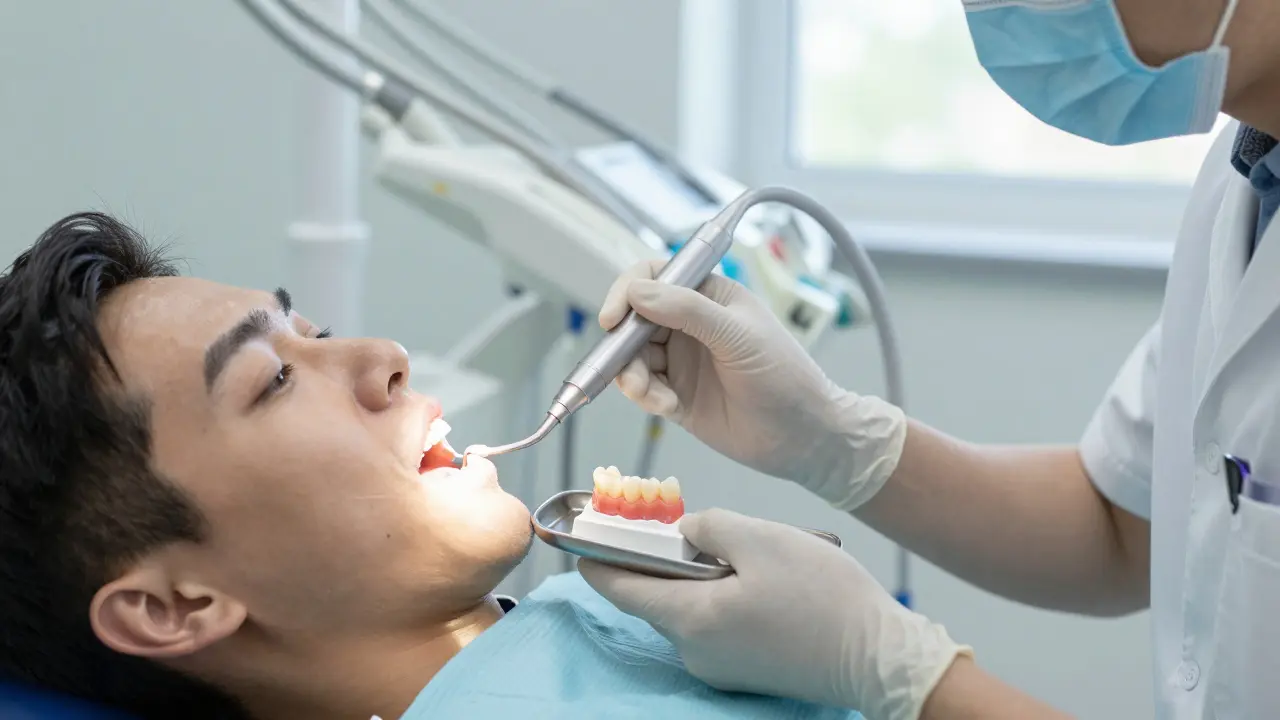
Co je zirkonová korunka a proč je dobrá volba pro broušení zubů?
Zirkonová korunka je moderní a spolehlivá zubní protéza, která vypadá přirozeně a vydrží i vysoké zatížení. Ideální pro broušení zubů po kořenové léčbě nebo velkém kazu. Bez kovu, bez ztmavení, s životností až 15 let.
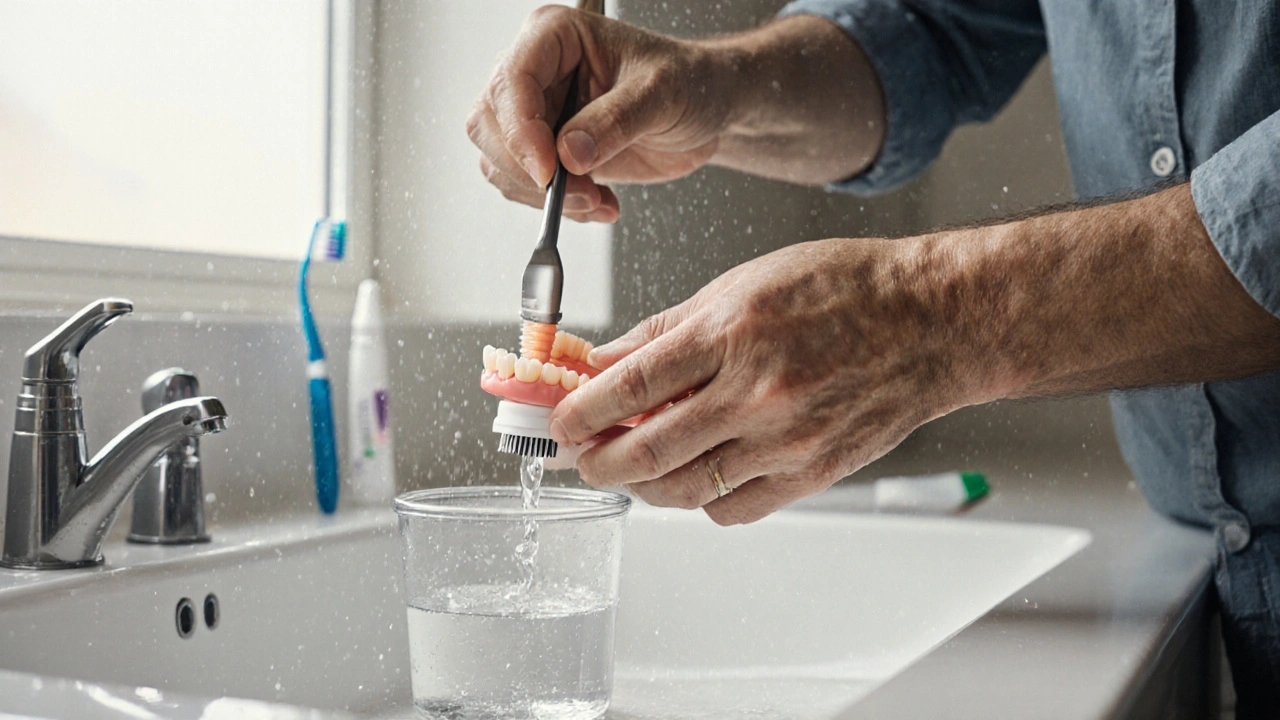
Co potřebujete vědět o nalepovacích zubech: cena, trvanlivost a jak to funguje
Nalepovací zuby jsou levná a bezoperativní náhrada ztracených zubů. Zjistěte, jak fungují, jak dlouho vydrží, kolik stojí a jak je správně udržovat, abyste se vyhnuli bolesti a dalším problémům.